
Can You Eat Pizza on a Diet? I Did the Math.
Last month someone asked me what I eat when I'm cutting weight, and I told them pizza. They laughed. Then I showed them my food log and they stopped laughing, because two slices of my daily pizza came in at 400 calories and 28 grams of protein, which is less than the salad they'd eaten for lunch once you count the ranch dressing and the candied walnuts and the dried cranberries and the croutons they forgot to mention.
8530 State Highway 151 · San Antonio, TX 78245
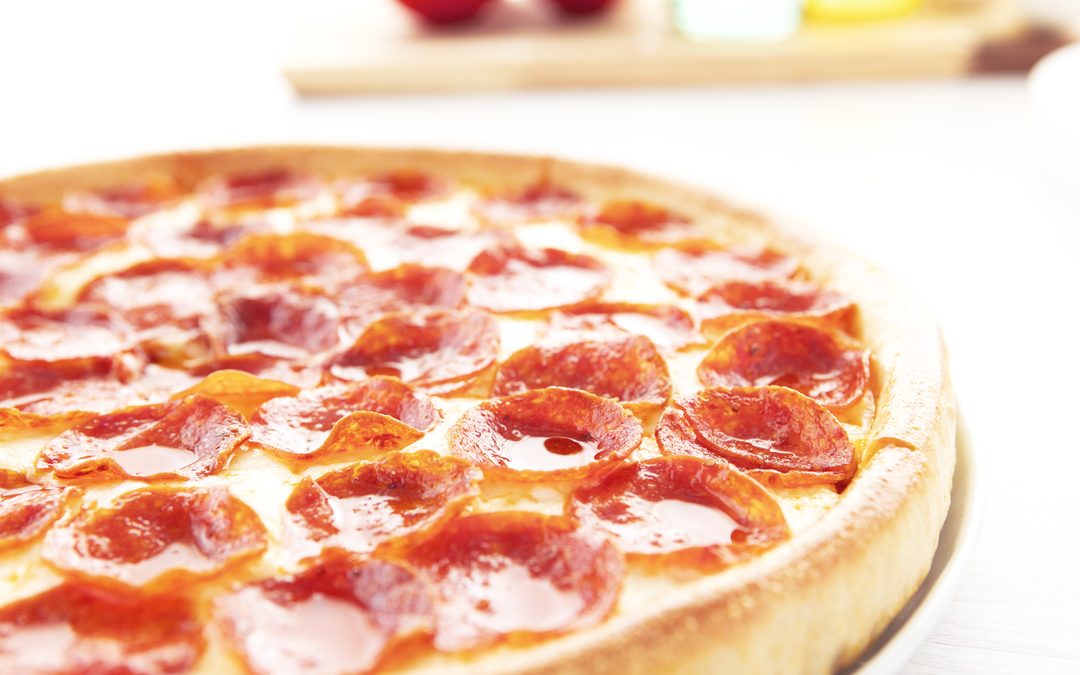
A calorie is a calorie, but a slice is not a slice
The first thing to understand is that "pizza" covers an absurd range of caloric outcomes. A deep-dish meat-lovers slice can run 450 calories with 22 grams of fat , the same way a large burger or loaded pasta bowl can. A thin-crust cheese slice from the same place is closer to 200. A slice of my homemade version, Walmart crust, low-fat mozzarella, chicken, pepperoni, jalapeños, onions, is about 200 calories with 10 grams of fat and 14 grams of protein.
That range matters. When someone says "pizza is bad for diets," they're picturing the heaviest possible slice and applying it to every pizza that exists. That's like saying cars are bad for the environment because Hummers exist. The format isn't the problem. The build is.
So before we go any further: when I say pizza works on a diet, I mean pizza you build with some intention. Not pizza you order from a chain at midnight with extra cheese and a butter-brushed crust. That pizza is also fine, by the way, just not four times a week while cutting.
The two-slice meal that beats most "diet food"
Here's my standard cutting meal, broken down. Two slices of homemade pizza: 400 calories, 28 grams of protein, 20 grams of fat, roughly 30 grams of carbs. That's the whole thing.
Now compare that to what people actually eat when they're "being good":
- A protein bar: 200 to 280 calories, 20 grams of protein, plus enough sugar alcohols to ruin your afternoon. You're still hungry afterward because your brain knows it wasn't a real meal.
- A restaurant salad with grilled chicken: Sounds virtuous until you weigh the dressing. Two tablespoons of ranch is 140 calories. Most restaurants use four. Add croutons, cheese, and candied nuts and you're easily at 600 to 800 calories, which is more than my entire two-slice pizza meal.
- A smoothie bowl: Acai, granola, honey, banana, peanut butter. Beautiful on Instagram. Also 500 to 700 calories with 60-plus grams of sugar. You'd be better off eating a donut, at least you'd know what you were getting into.
- A wrap: People assume wraps are healthier than bread. A standard flour tortilla is 200 to 300 calories before you put anything in it, which is roughly the same as two slices of thin pizza crust. The wrap didn't save you anything, it just changed the shape.
My pizza beats all of these on the metric that actually determines whether you lose weight: total calories relative to how full and satisfied you feel afterward. Two slices of real pizza with chicken and pepperoni is a meal. It tastes like dinner, not like discipline. And when your diet food actually tastes good, you're dramatically more likely to stick with the diet long enough for it to work.
The portion math, because this is where people lie to themselves
I'm going to be direct: the reason pizza gets a bad reputation on diets is not the pizza. It's the quantity. Two slices is a meal. Four slices is a large meal. Six slices is two meals eaten at once. A whole pizza is a whole pizza, and you know what you did.
When I'm cutting, I eat two slices. That's it. I don't eat two slices and then circle back for a third twenty minutes later. I don't eat two slices "but they were small so it's basically one." I eat two slices, log them, and move on with my day. The pizza is 400 calories. The discipline is free.
This is where most "can you eat pizza on a diet" articles fall apart. They either say "no, pizza is bad" , which is lazy, or they say "yes, just eat less", which is obvious. The useful answer is in the middle: yes, and here's exactly what to build so that two slices actually feels like enough. The chicken and pepperoni provide protein, which is what makes you feel full. The crust provides carbs, which is what makes it feel like a real meal and not a punishment. The cheese ties it together. The jalapeños and onions add volume and flavor for essentially zero caloric cost. The whole thing is engineered to satisfy in two slices, not because I have superhuman willpower, but because I built it to do that.
What to do when you're ordering, not cooking
I make my pizza most days. But I'm not a monk. Sometimes I order. Here's how that works during a cut without imploding.
Go thin crust. Always. Thin crust saves you 50 to 100 calories per slice compared to regular, and 100 to 200 compared to deep dish. The carb difference is significant too. If the place you're ordering from doesn't offer thin crust, that tells you something about their priorities.
Pick one fatty topping, max. Pepperoni or sausage, not both. The rest should be vegetables or chicken. This sounds restrictive until you try a thin crust with chicken, banana peppers, and a little pepperoni. It's a great pizza. You're not suffering.
Skip anything that comes with a dipping sauce. Garlic butter, ranch, marinara for crust dipping, these are calorie grenades that people don't log. A single container of garlic butter is 100 to 150 calories. If you need garlic butter to enjoy your pizza, you're ordering the wrong pizza.
Two slices, then put the box away. Not on the counter. Not on the table where you're sitting. In the fridge, closed, out of sight. The behavioral science on this is clear: proximity drives consumption. Make the third slice require effort (standing up, walking to the fridge, opening the box) and most of the time you won't bother.
The caveats, stated plainly
Pizza every day while cutting is my approach. It works for me because I track everything, I've dialed in the build, and I genuinely enjoy it enough to not feel deprived. That doesn't make it universally optimal.
If you struggle with portion control specifically around pizza , if two slices reliably turns into four for you regardless of how you build it, then pizza during a cut might not be your move. That's not a character flaw. It's self-knowledge, and it's more useful than any macro calculation. Some people can have two drinks and stop. Some can't. Know which one you are, and plan accordingly.
Also, "works on a diet" and "is the best possible diet food" are different claims. I'm making the first one. A meal of grilled chicken breast, steamed vegetables, and rice is probably more micronutrient-dense per calorie than my pizza. I'm not arguing otherwise. I'm arguing that a diet you enjoy and sustain for twelve weeks beats a diet you optimize perfectly and abandon after nine days. And pizza makes the first one more likely for a lot of people, including me.
Dieting isn't about eating perfectly. It's about eating honestly.
The fitness industry has spent decades building a mythology around diet food, bland, boring, virtuous, clean. Grilled chicken and broccoli. Egg whites and oatmeal. Rice cakes and sadness. And the implicit message is always the same: if you're enjoying your food, you're probably doing it wrong.
That's backward. The enjoyment is the feature, not the bug. A meal that satisfies you at 400 calories prevents the 800-calorie binge that happens at 9 PM when your willpower finally cracks because you've been eating boiled chicken all week. The discipline isn't in choosing miserable food. The discipline is in counting honestly and stopping at the number you planned.
Two slices. Log them. Move on. The pizza was never the obstacle. The magical thinking about food was.
Godfather's Pizza San Antonio · 8530 State Highway 151 · San Antonio, TX 78245 · (210) 750-2222
- Pizza and PCOS: What to Order Without Wrecking Your Progress
- Pizza as Recovery Food: What to Order After Surgery or Illness
- Can a 2-Year-Old Eat Pizza? The Parent's Guide From a Pizza Shop
- Pizza Bodybuilding: Can You Get Jacked on Slices?
- What Does 400 Calories of Pizza Actually Look Like?
- Is Pizza Actually Bad for Kids? What a Pizza Shop Thinks You Should Know
- Pizza and Heartburn: Which Toppings Make It Worse (and Which Don't)
- Pizza and Diabetes: How to Order Smarter, Not Less
- Can You Eat Pizza While Pregnant? A Pizza Shop Finally Answers
- Frozen vs. Delivery vs. Homemade Pizza: Which Is Actually Lighter?
- What Pepperoni Actually Costs You: 5 Pizza Chains Compared
- How Much Sodium Is in a Loaded Meat Slice? 5 Chains Compared
- Pizza Nutrition, Compared: Calories, Sodium & Protein Across 5 Chains
- Why Pizza Is Better Post-Workout Than You've Been Told
- The Toppings That Turn Pizza Into a High-Protein Meal
- Keto Pizza Is Mostly a Scam. Here's What Actually Works.
- I Eat Pizza Every Single Day. I’m Also Leaner Than Almost Everyone Telling Me Not To.